Elsha Script Font Review for Real-World Design
A First Glance at Elsha
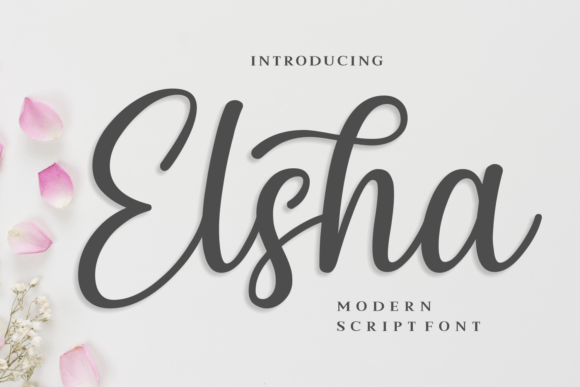
When I first laid eyes on Elsha, it felt like a whisper of elegance wrapped in a modern edge. This script font carries a distinct personality—something between a handwritten flourish and a polished display typeface. It doesn’t scream for attention, but it commands presence when used right.
The letters flow with a natural rhythm, almost like someone is writing with a fountain pen across the page. There’s a softness to the curves, but also a subtle strength in the strokes. It leans into the idea of handwritten sophistication, making it feel personal yet professional.
This kind of mood naturally fits into projects that want to communicate warmth, creativity, and a touch of class. Think wedding invitations, boutique branding, or editorial design that needs a dash of character without losing clarity.
How Elsha Stands Up in Real Projects
I’ve tested Elsha across several scenarios, and it holds its own in most cases. In logo design, it works best as a secondary element—maybe paired with a sans serif for balance. Alone, it can be too delicate for a primary brand mark, but as a decorative accent, it adds that extra layer of charm.
In packaging design, especially for premium products, Elsha gives a sense of artisanal quality. It feels handcrafted, which aligns well with small-batch or luxury items. For product labels or website headers, it shines when used sparingly—like in a tagline or a callout section.
Social media graphics benefit from Elsha’s visual flair, particularly for posts that need to stand out in a sea of generic content. However, I’d caution against using it in long paragraphs. Its readability drops significantly when stretched across many lines, so it’s better suited for short phrases, quotes, or headlines.
For printable products like Canva templates or Cricut projects, Elsha has a nice weight that translates well to both digital and physical mediums. It handles small sizes
It also pairs nicely with other fonts. When placed next to a serif font or a sans serif font, it creates a balanced contrast—modern meets traditional. With other script fonts or handwritten fonts, it can feel redundant unless used intentionally for texture or emphasis.
Where to Use Elsha with Caution
While Elsha has a lot going for it, there are situations where it might not be the best fit. For example, in large headlines or brand marks, it may lack the boldness needed to make an immediate impact. If your brand identity relies heavily on strong typography, consider pairing it with a more robust typeface.
Also, avoid using it for supporting text in long-form content like blog posts or web copy. Its readability isn’t optimized for dense blocks of text. Save it for quotes, decorative accents, or premium packaging where its visual appeal takes precedence over strict functionality.
For digital ads or web design, use it only in limited doses. A headline or a call-to-action button can benefit from its style, but anything beyond that risks overwhelming the viewer.
Design Notes: What to Keep in Mind
Before committing to Elsha for any project, I suggest doing a few quick tests:
- Test in black and white: This helps you see how the font performs without color influencing perception.
- Check small-size readability: Ensure it still looks clean and legible when scaled down.
- Try it on real mockups: Whether it's a product label or a website header, seeing it in context matters.
- Compare uppercase and lowercase: Some script fonts look dramatically different when capitalized, and Elsha is no exception.
- Review spacing: Script fonts can sometimes have inconsistent letter spacing, so adjust as needed.
- Test beside other fonts: Pair it with a serif font, sans serif font, script font, handwritten font, or display font to find the right font pairing.
- Confirm commercial licensing: If you're using this for client work or commercial design assets, make sure you have the right permissions.
Remember, even the most beautiful creative font needs to serve the purpose of the design. Elsha is a premium font with a unique voice, but like any tool, it should be used thoughtfully and strategically.
Final Thoughts on Elsha
Elsha is a versatile addition to any designer’s toolkit. It brings a touch of elegance and individuality to projects that need it without feeling out of place. As a display font, it excels in moments where visual storytelling matters more than strict readability.
Whether you're working on brand identity, editorial design, or digital products, Elsha can help elevate your work with a little extra flair. Just remember to use it wisely and pair it with the right elements to keep your designs clear, consistent, and compelling.