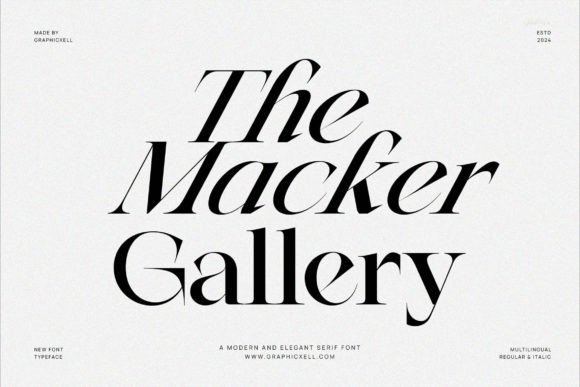
Bellanue: A Sophisticated Serif Font for Modern Branding
There’s something about starting a new brand project that feels like opening a blank canvas. I recently found myself staring at a fresh brand board, ready to bring a boutique skincare line to life. The first thing I needed was a font that could capture the essence of elegance and modernity—something that felt both timeless and on-trend. That’s when I landed on Bellanue.
What Is Bellanue?
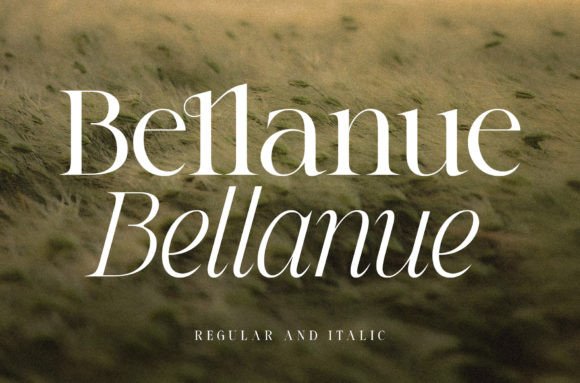
Bellanue is a serif font with a distinct charm. It carries a sense of refinement without being overly traditional. The curves are soft, the lines are clean, and the overall feel is undeniably feminine yet professional. It's not just a font—it's a visual language that speaks to luxury and sophistication. Designed for projects that demand a touch of elegance, Bellanue is perfect for branding that wants to stand out while maintaining a sense of class.
As a serif font, it has that classic weight and character that can elevate any design. But what sets it apart is its fashionable edge. It doesn’t feel outdated or too formal. Instead, it strikes a balance between old-world charm and contemporary style, making it a versatile choice for a variety of creative applications.
Bellanue in Action: Real-World Testing
I tested Bellanue across several elements of the skincare brand’s identity. Starting with the logo concept, I found that Bellanue brought a level of sophistication that matched the brand’s vision perfectly. The font didn’t feel too ornate, nor did it lose its clarity. It had just the right amount of detail to make the logo feel unique but still approachable.
On the brand board, I paired Bellanue with a minimalist sans-serif for body text, which created a nice contrast and helped maintain visual hierarchy. For packaging mockups, the font worked beautifully on product labels and taglines. It added a touch of refinement without overwhelming the design.
Even on smaller formats like business cards and social media posts, Bellanue performed well. It maintained readability and kept the tone consistent with the brand’s personality. When placed on a website header, it gave the homepage a polished look that aligned with the brand’s premium positioning.
When to Use Bellanue
Bellanue shines as a display font or headline font. It works exceptionally well for short phrases, logos, and brand names. Its elegant curves and subtle details make it ideal for use in editorial design, packaging, and web headers where impact matters.
However, it may not be the best fit for long blocks of body text or small sizes where legibility is key. Its decorative nature makes it more suitable for accentuating rather than replacing standard typefaces in large-scale content.
If you're working on a luxury brand, a boutique, or a high-end product line, Bellanue can be a great addition to your typography toolkit. It adds a layer of sophistication that helps reinforce the brand’s image and values.
Font Pairing and Practical Considerations
When pairing Bellanue with other fonts, I found that a clean sans-serif like Helvetica or Arial provided a good counterbalance. This combination helped create a modern yet elegant look. For a more artistic feel, pairing it with a script font could add a touch of whimsy, especially for invitations or promotional materials.
Bellanue comes with a range of weights and styles, giving designers flexibility in their projects. However, it's important to check the available alternates, ligatures, and swashes to ensure they align with the brand's aesthetic. Also, verifying multilingual support and file formats is crucial if the font will be used globally or across different platforms.
Before using Bellanue in final client work, it's always wise to test it thoroughly. Try it in various sizes, colors, and backgrounds to see how it behaves in different contexts. This step ensures that the font maintains its appeal and functionality across all design assets.
Lastly, remember to review the commercial font licensing before incorporating Bellanue into brand identity, packaging, templates, merchandise, websites, digital products, or print-on-demand items. Ensuring proper usage rights is essential for any professional designer or brand owner.