Alentha: A Modern Handwritten Font for Digital Projects
I was working on a redesign for a boutique online store, and the first thing I noticed was how much the right font could change the tone of the entire project. After some research, I came across Alentha—a modern and cool handwritten font that immediately caught my eye. It had a natural, organic feel that seemed perfect for this kind of brand.
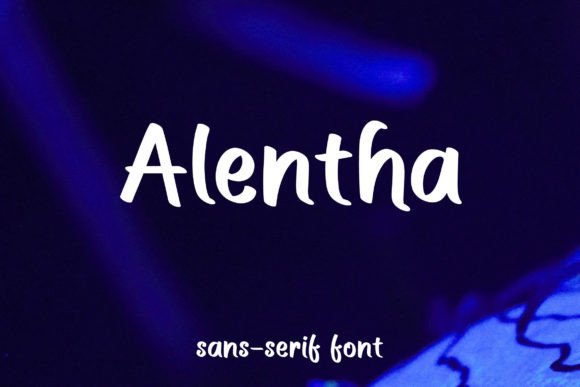
Alentha has a distinct personality. Its strokes are fluid, almost like they were drawn with a pen or brush, giving it a human touch. The characters have subtle variations in weight and spacing, which makes them feel more alive than many other script fonts. This visual character is what made me want to test it out in real design scenarios.
I started by placing Alentha in the hero section of the website. It looked great over a full-screen image banner—its soft curves complemented the product photography without overpowering it. The font didn’t feel too formal or too casual; it struck a balance that felt just right for a brand that wanted to appear both creative and trustworthy.
One of the things I paid close attention to was readability. Alentha works best in short phrases, headlines, and decorative accents. For longer blocks of text, I paired it with a clean sans serif font for body copy. This approach helped maintain visual hierarchy while ensuring the content remained easy to scan.
On mobile devices, I noticed that Alentha’s legibility stayed strong even at smaller sizes. That’s a big plus when designing for responsive layouts. I also tested it on dark and light backgrounds, and it maintained its clarity without needing extra spacing or adjustments.
When it came to using Alentha in call-to-action areas, I found that it worked well for buttons with short labels like “Shop Now” or “Learn More.” Its friendly yet professional look encouraged interaction without feeling too playful or too stiff.
I also experimented with Alentha in blog headers and promotional landing pages. It added a nice touch of personality to headings, making them stand out from the rest of the content. For a coaching website I designed later, I used it in the navigation menu and featured testimonials. It gave the site a warm, approachable vibe that aligned with the brand’s voice.
Font pairing was another key consideration. I found that Alentha pairs beautifully with a simple sans serif font like Montserrat or Open Sans. This combination allowed the design to remain cohesive while still having a unique visual identity. For editorial-style projects, I sometimes used a serif font alongside Alentha to add a bit of elegance and structure.
Before finalizing the font for any project, I always check if the font includes multiple styles, weights, and alternates. In the case of Alentha, the package offered enough variation to support different use cases—from logo text to decorative accents. It also had good multilingual support, which was important for the online store that targeted an international audience.
Commercial licensing is another factor I consider when selecting fonts for client projects. Alentha comes with a clear license that allows for use in websites, digital templates, and brand assets, which made it a safe choice for the boutique store project.
What stood out most during this process was how versatile Alentha is. Whether I was designing a course sales page, a portfolio homepage, or a campaign landing page, it adapted well to different contexts. Its modern typography style fit seamlessly into digital branding efforts, helping create a polished and consistent online presence.
For anyone looking to add a personal touch to their web designs, Alentha is worth considering. It brings a sense of creativity and authenticity that can elevate any digital project. Just remember to use it thoughtfully—pair it with complementary fonts, keep text readable, and ensure it aligns with your brand’s overall aesthetic.
Testing Alentha in real-world scenarios reminded me how much a font can influence user experience. It’s not just about aesthetics; it’s about how the text feels to the reader and how it supports the message you’re trying to convey. With the right approach, Alentha can be a powerful tool in your design toolkit.